
Why so much food gets wasted
The average household throws away roughly a third of the food it buys. Most of it isn't spoiled — it just gets forgotten. A bunch of cilantro turns brown behind the milk. A half pack of chicken goes from fresh to questionable in three days. Leftovers from Sunday never get eaten.
The fix isn't more discipline. It's better visibility. Once you can see what you have and what's about to go off, deciding what to cook gets easier and waste drops fast.
How Appetizer helps you waste less
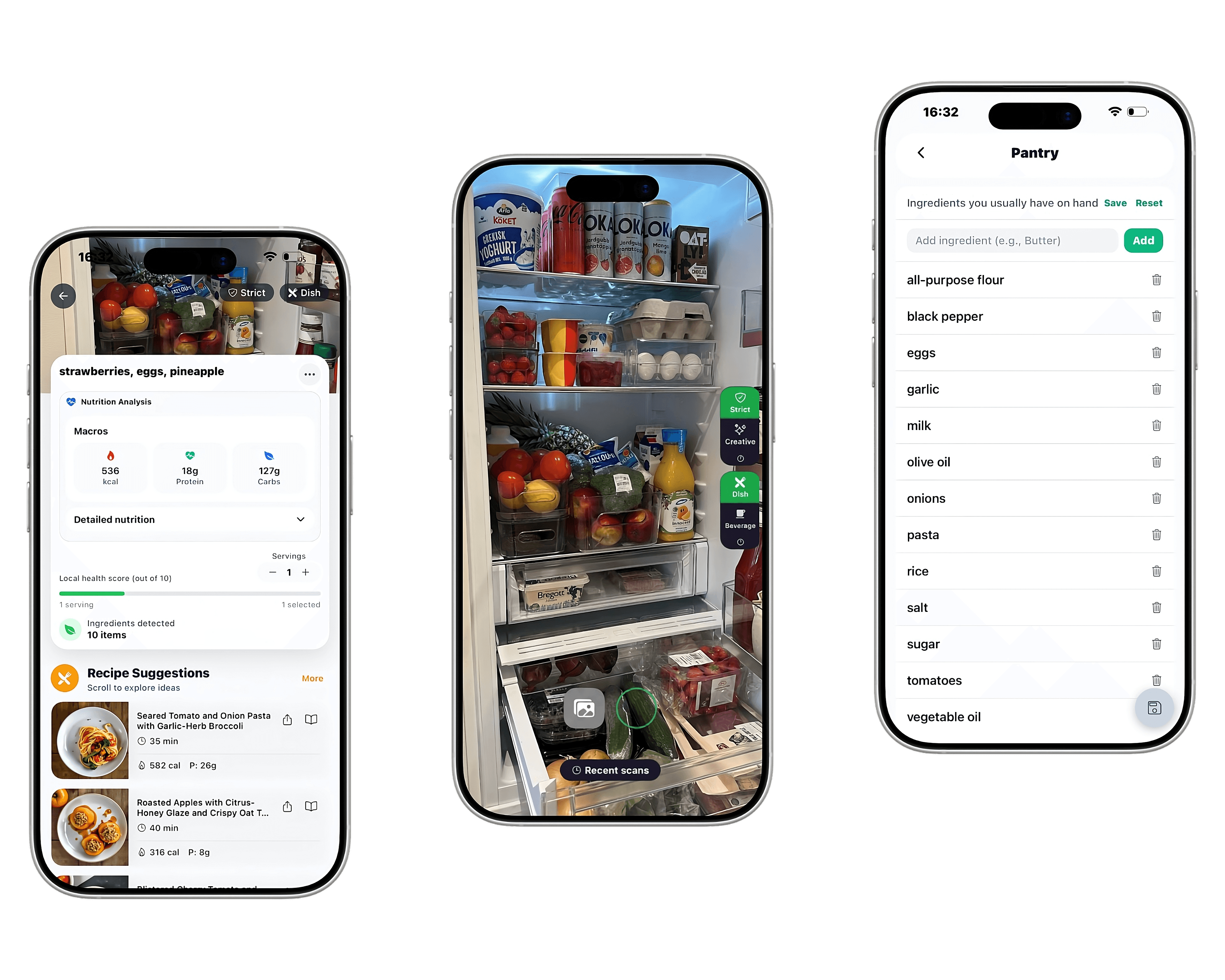
Appetizer's scanner takes a snapshot of your fridge and pantry, identifies ingredients, and surfaces what to use first. Instead of opening the fridge and feeling overwhelmed, you get a short list of meals built around what's expiring soonest.
It also remembers your habits over time. If you tend to buy spinach and forget about it, the app will start prioritizing spinach-based recipes whenever it sees the ingredient again.
- Spot ingredients before they spoil
- Get recipe ideas that use what's expiring first
- Turn leftovers into actual meals, not 'I'll eat that tomorrow'
- Build grocery lists that don't double up on what's already there
Common waste situations and how to fix them
Half-used cabbage? Slaw, soup, or a quick stir-fry. Wilted spinach? Sauté with garlic and an egg on top. Leftover roast chicken? Pasta, salad, wraps, or a quick fried rice. The point is that most 'waste' is just lack of ideas — and that's exactly what the app is built to solve.
What you actually save
USDA data puts U.S. household food waste at around $1,500 per year for a family of four. Cutting that in half pays for years of any cooking app, plus you eat better food more often. Most users notice the difference within the first two weeks of scanning regularly.